The world of sports nutrition can be a labyrinth. Between protein shakes, multivitamins, pre-workout powders, and post-workout concoctions, it can be hard to know which supplements, if any, are worth incorporating into your routine. In this article, we’ll break down some popular supplements athletes often turn to and discuss the science behind them.
BUY AT – https://amzn.to/437GDbQ
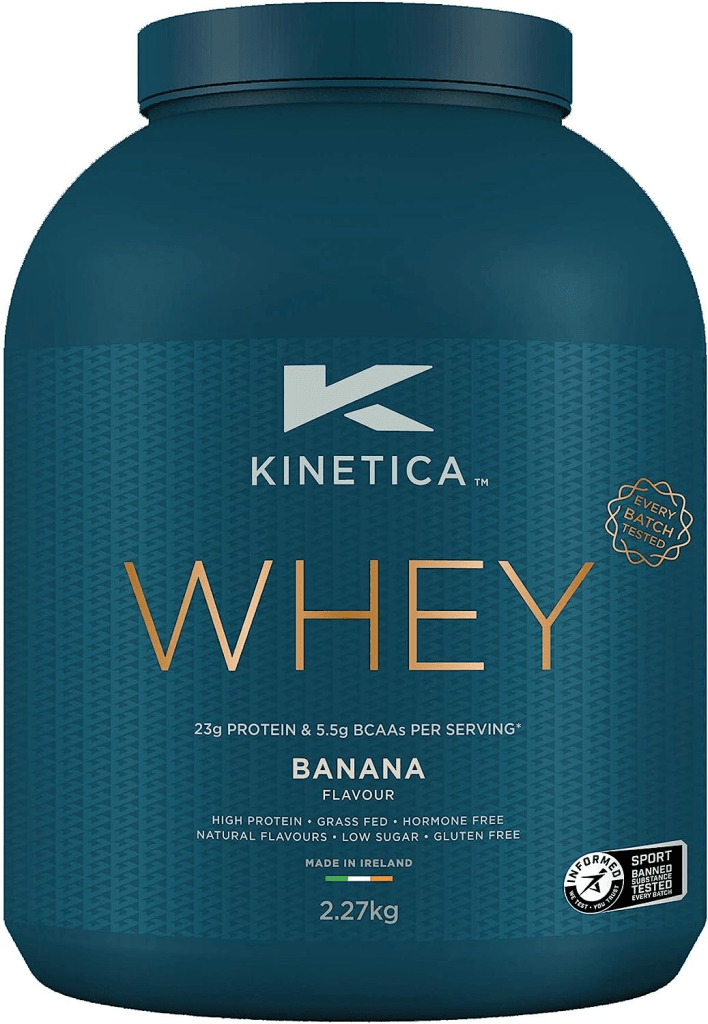
Protein Powder: There’s a good reason why protein powder is a staple in many athletes’ diets. Protein is essential for muscle repair and growth, and consuming it after a workout can help increase muscle synthesis. Whey and casein protein, derived from dairy, are considered complete proteins because they contain all the essential amino acids. Plant-based protein powders are also available for those who follow vegetarian or vegan diets.

BUY AT – https://amzn.to/3qYg77k
Creatine: This is one of the most widely researched supplements in sports nutrition. Creatine is naturally occurring in the body and helps provide energy to your muscles. Numerous studies have shown that supplementing with creatine can improve athletic performance, particularly in high-intensity, short-duration exercises like weightlifting.

BUY AT – https://amzn.to/46lJkcR
Branched-Chain Amino Acids (BCAAs): These include leucine, isoleucine, and valine. They’re essential amino acids, meaning your body can’t make them, and you must get them from your diet. BCAAs can help promote muscle protein synthesis and increase muscle growth over time. They can also help decrease muscle soreness after a workout.
BUY AT – https://amzn.to/3pqsKI6
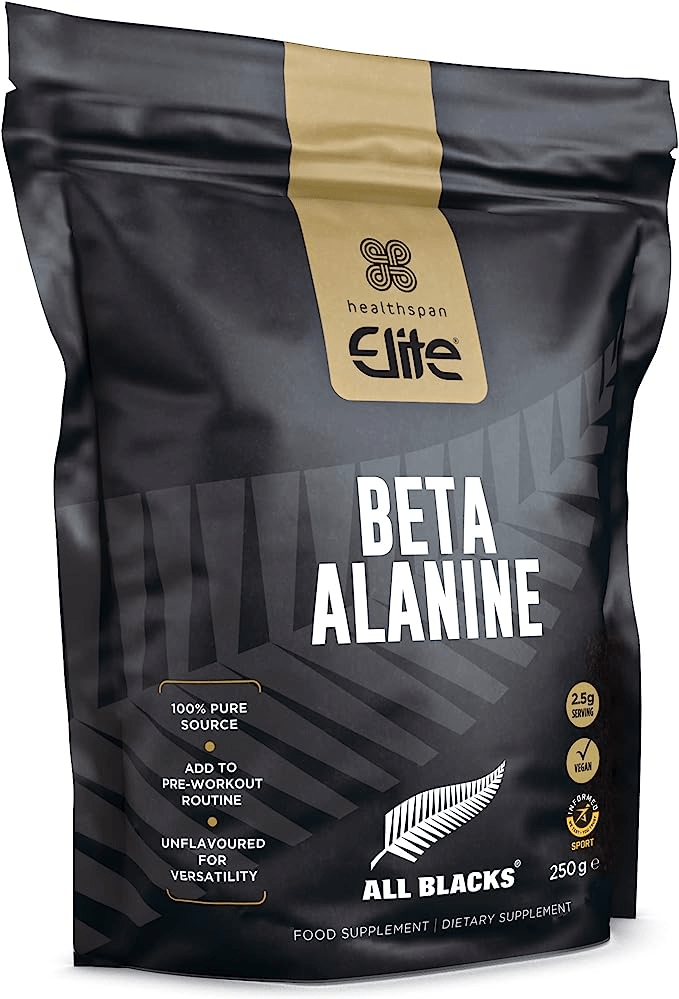
Beta-Alanine: This is a non-essential amino acid that’s naturally produced in the body. Supplementing with beta-alanine has been shown to help delay muscle fatigue during high-intensity exercise, thus improving performance.

BUY AT – https://amzn.to/44r220V
Fish Oil: Rich in Omega-3 fatty acids, fish oil has been shown to provide numerous health benefits, including reducing inflammation in the body. While it may not directly improve performance, its anti-inflammatory properties can aid recovery.
BUY AT – https://amzn.to/3r3elSy
Vitamin D: This is essential for bone health, immune function, and inflammation reduction. Vitamin D deficiency is common, and athletes who train indoors or live in northern climates may not get enough from sunlight alone.
BUY AT – https://amzn.to/3qYgrD4
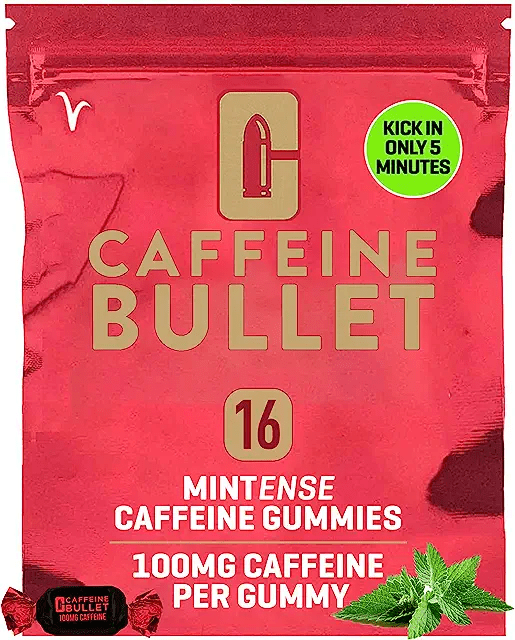
Caffeine: Used by many as a pre-workout stimulant, caffeine has been shown to improve endurance, increase strength, and reduce perceived exertion.
It’s worth noting that while these supplements can support your training and performance, they should not replace a balanced diet. Furthermore, the effects of supplements can vary from person to person. It’s always recommended to consult with a healthcare professional or a registered dietitian before starting any new supplement regimen.
Also, remember that supplement companies do not have to prove their products are safe or effective before selling them, thanks to the Dietary Supplement Health and Education Act of 1994. Therefore, it’s crucial to buy from reputable brands and, when possible, look for third-party testing.
Finally, while supplements can provide a convenient boost, they won’t compensate for poor dietary habits or lack of training. There is no magic pill for athletic success. It comes down to consistent training, good nutrition, adequate sleep, and a little bit of grit. Supplements are just that – a supplement to your already healthy lifestyle.
[Disclaimer: This article is intended for informational purposes only and does not constitute professional medical advice. Always seek the advice of a qualified health professional with any questions you may have regarding dietary supplements.]
 The Sporting Atlas
Leave a comment